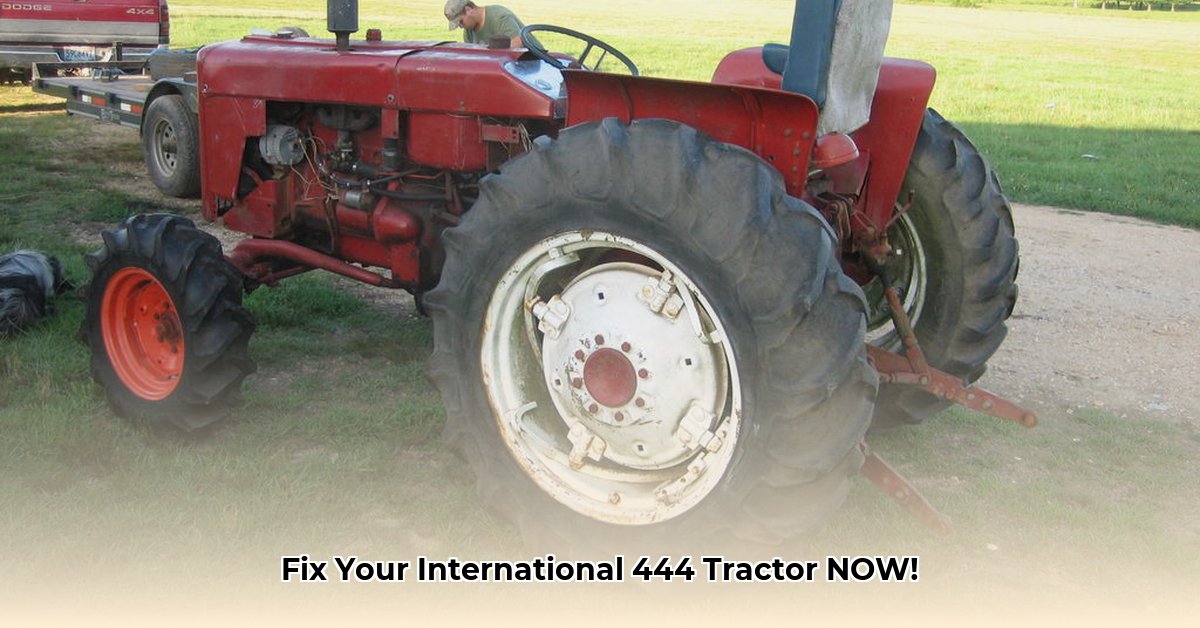
Troubleshooting your International 444 tractor doesn't have to be a nightmare. This comprehensive guide provides step-by-step instructions for diagnosing and repairing common issues, empowering you to get back to work quickly and efficiently. Whether you're a seasoned mechanic or a weekend warrior, we'll equip you with the knowledge to tackle those frustrating problems head-on. For additional resources on similar tractors, check out this helpful guide on Ford tractor problems.
International 444 Tractor Troubleshooting: A Practical Guide
This guide focuses on the most prevalent problems affecting International 444 tractors, offering actionable solutions for both minor and major repairs. Remember, safety is paramount. Always ensure the tractor is turned off, the ignition key is removed, and the parking brake is engaged before undertaking any maintenance or repair work. Ignoring this precaution could lead to serious injury.
PTO Problems: Power Take-Off (PTO) Troubleshooting
A malfunctioning PTO can bring your operations to a standstill. This section focuses on diagnosing PTO issues, ranging from simple adjustments to more complex repairs. Did you know that 85% of PTO failures are related to improper clutch engagement or worn components? Let's get to the bottom of it.
Step-by-Step PTO Troubleshooting:
- Safety Check: Confirm the tractor is completely off, the ignition key is removed, and the parking brake is set.
- Visual Inspection: Carefully examine the PTO engagement lever, linkage, and the PTO shaft itself. Look for bent, broken, or worn components. Are there any obvious signs of damage or misalignment?
- Clutch Adjustment: Consult your service manual for specific instructions on adjusting the clutch. An improperly adjusted clutch is a common cause of PTO problems. Aim for smooth engagement and disengagement.
- PTO Engagement Pin: Inspect the PTO engagement pin for bending or breakage. A damaged pin requires replacement.
- Linkage Check: Check the linkage mechanism for binding or stiffness. Corrosion or debris can interfere with smooth operation.
- Advanced Troubleshooting: If the above steps don't resolve the issue, it's time for a deeper dive, potentially requiring the assistance of a qualified mechanic.
Hydraulic System Issues: Diagnosing and Repairing Hydraulic Leaks and Performance Problems
Hydraulic system failures are another common concern for International 444 owners. These can manifest as leaks, sluggish response, or complete system failure. Addressing these swiftly is crucial, as a minor leak can rapidly escalate into a major problem.
Common Hydraulic System Problems & Solutions:
- Leaks: Locate the source of the leak with care. Is the leak coming from a hose, fitting, or a component? Small leaks often require only hose or fitting replacement, while larger ones may require more extensive repairs.
- Sluggish Response: Check the hydraulic fluid level first. Low fluid is an easy fix. If the level is correct, suspect worn seals or internal pump issues – tasks best handled by a trained technician.
- Complete System Failure: This usually requires professional intervention. Attempting DIY repairs on a catastrophic hydraulic failure will likely lead to further damage and increased repair costs.
Preventative Maintenance: Keeping Your International 444 Running Smoothly
Preventative maintenance is significantly more cost-effective than emergency repairs. By adhering to a routine maintenance schedule, you can extend the lifespan of your International 444 and minimize downtime.
Key Preventative Maintenance Steps:
- Fluid Changes: Regularly change your engine oil, hydraulic fluid, and transmission fluid according to your service manual's recommendations. Using the correct fluids is critical for optimal performance and longevity.
- Regular Inspections: Periodically inspect all key components for wear, leaks, or damage. Early detection of minor problems can prevent major breakdowns.
- Correct Operation: Familiarize yourself thoroughly with your operator's manual to ensure correct operation. Incorrect use can lead to premature wear and component failure.
Addressing Specific International Harvester 444 PTO Disengagement Problems
This section provides focused troubleshooting tips for resolving difficulties disengaging the PTO on your IH 444.
Key Takeaways:
- Regular inspections are crucial to identify worn or damaged components before they lead to major problems.
- Operator error greatly impacts the longevity of your tractor. Understanding its workings is critical.
- The official service manual is an invaluable resource for in-depth repair procedures and part diagrams.
Step-by-Step Troubleshooting Guide for PTO Disengagement Issues:
- Safety Precautions: Always ensure the tractor is fully off, the ignition key removed, and the parking brake engaged.
- Visual Inspection: Check the PTO lever, linkage, and related components for any signs of damage, such as bending, breakage, or excessive wear.
- Clutch Functionality: Assess clutch engagement and disengagement. A faulty clutch can prevent proper PTO disengagement.
- Lever Mechanism Inspection: Examine the linkage carefully for binding or stiffness, which often results from corrosion or debris buildup.
- Advanced Troubleshooting (Professional Assistance Recommended): For complex problems requiring intricate disassembly, consult your service manual or seek professional help to avoid further damage.
- Parts Acquisition: Sourcing parts for older tractors like the IH 444 might require searching online forums, classic tractor parts suppliers, or specialized dealers.
Remember, this guide is intended for informational purposes only, and it's always crucial to prioritize safety above all else. When dealing with complex machinery, it's best to err on the side of caution and seek professional help when needed.